
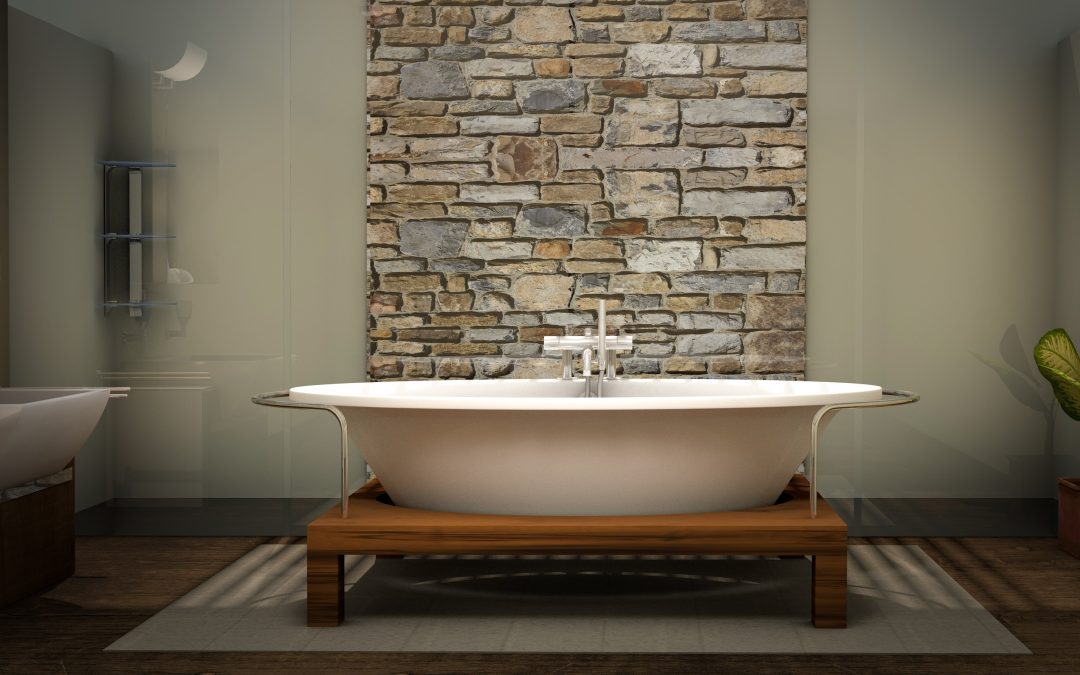
2026 Bathroom Trends Cape Town Homeowners Are Loving
Cape Town bathrooms are changing. What used to be a purely functional room is becoming a daily retreat — a place for quiet mornings, proper showers after a day on the mountain or at the beach, and a bit of calm before bed. Homeowners across the City Bowl, Southern Suburbs, Atlantic Seaboard, Northern Suburbs and the Boland are investing in spaces that feel better to use and look current without chasing short-lived fads.
The big drivers in 2026 are clear from local projects and international studies: larger, better showers; warmer, more natural materials; smarter storage; and finishes that handle Cape Town’s coastal moisture and temperature swings. Here’s what’s actually working right now, and how to apply it sensibly in Western Cape homes.
The Bathroom as a Self-Care Space
Half of renovating homeowners spend more time in their bathroom after an upgrade, according to recent Houzz data. The main reasons are beauty and pampering routines, followed by rest and relaxation. Cleanliness, a spacious shower and organised storage rank as the most relaxing features.
In Cape Town this translates into practical upgrades rather than pure luxury theatre. People want a shower they can step into easily, good lighting for getting ready, and surfaces that don’t show every water mark or require constant scrubbing. The goal is a room that supports daily life instead of adding to the list of chores.
Bigger Showers and the Rise of Wet Rooms
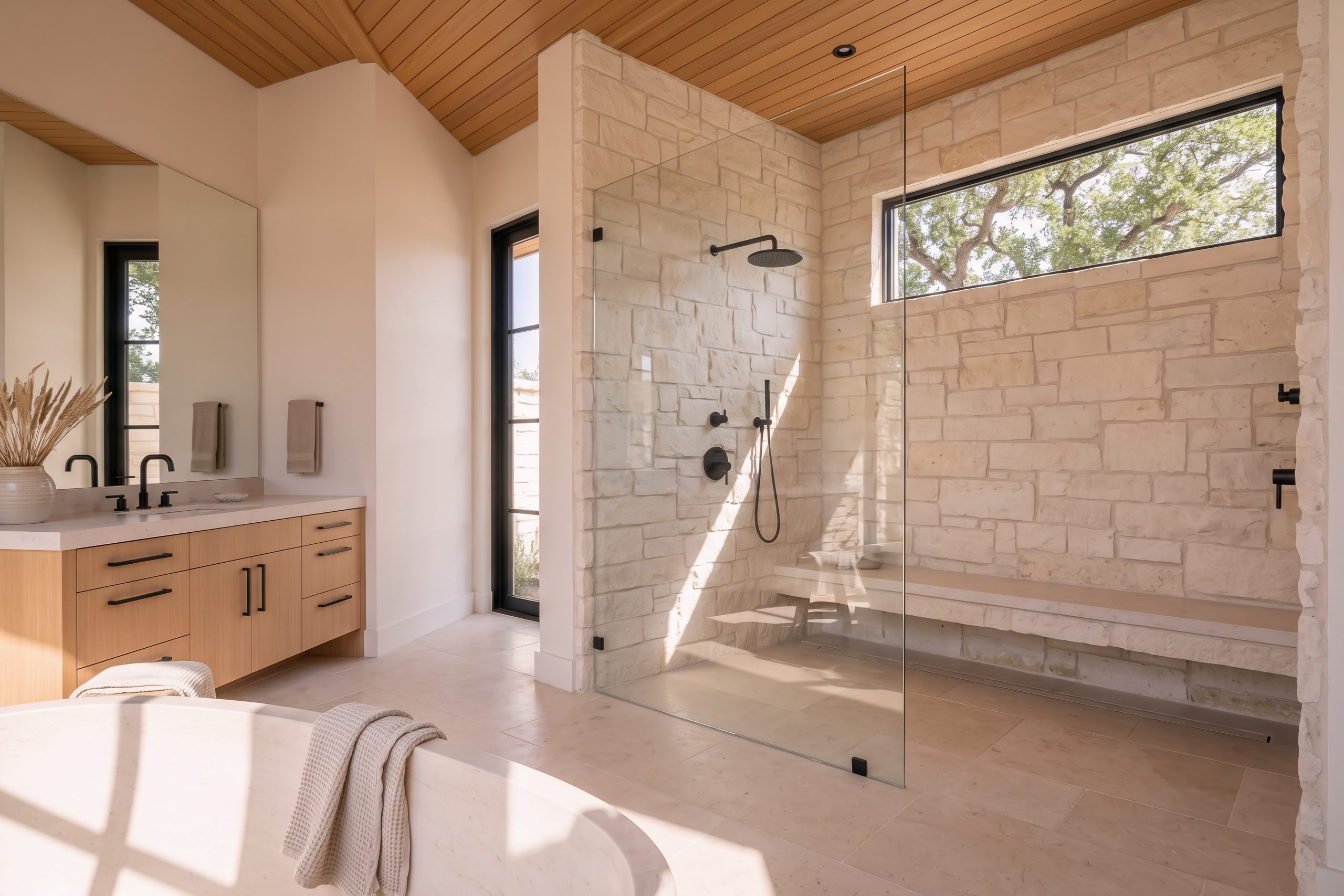
The fastest-growing structural change is enlarging the shower. Nearly half of renovating homeowners are making their shower bigger. Low-curb and curbless designs, frameless glass, and proper wet-room style layouts are increasingly popular because they feel more open, are easier to clean, and improve accessibility.
For Cape Town homes this makes particular sense. Many older properties have compact bathrooms with high-sided baths that take up valuable floor space. Removing or reducing the bath in favour of a generous walk-in shower often improves daily use dramatically. When done correctly — with proper falls, high-quality waterproofing and suitable drainage — these spaces handle the region’s winter damp and summer humidity far better than poorly detailed older showers.
Wet rooms continue to gain ground for the same reasons: better use of limited space, easier cleaning, and long-term accessibility. They work especially well in smaller en-suites and family bathrooms where every square metre counts.
Warm Neutrals and Natural Materials
Stark all-white bathrooms are giving way to warmer, softer palettes. Off-whites, light browns and tans, soft sage and olive greens dominate current preference lists. These colours feel calmer and sit more comfortably with Cape Town’s natural light and outdoor living.
Large-format porcelain tiles remain the dominant flooring and wall choice. Fewer grout lines mean less maintenance and a more continuous, expansive look — valuable in both compact City Bowl apartments and larger suburban homes. Stone-effect and travertine looks, matte finishes, and subtle texture (fluted or ribbed tiles on feature walls) are popular because they add depth without visual clutter.
Wood-look or real timber vanities and accents bring warmth. Floating (wall-hung) units remain highly requested because they make the floor feel larger and simplify cleaning. Handleless or soft-close designs keep the look clean. Matte black, brushed brass and champagne gold hardware continue to outperform polished chrome in most new schemes.
Storage, Vanities and Double Sinks
Vanities are getting wider, and double sinks are becoming more common even in medium-sized bathrooms. Soft-close drawers, built-in organisers and integrated power points for hairdryers or electric toothbrushes make the morning routine smoother.
Good storage is repeatedly listed as one of the most relaxing features of a renovated bathroom. In Cape Town’s older stock, where built-in cupboards are often limited or poorly detailed, a well-planned vanity and recessed niches in the shower make a noticeable difference to daily life.
Practical Considerations for Cape Town Conditions
Climate and construction reality matter more here than pure aesthetics. Coastal moisture, winter rains, and varying ages of housing stock mean waterproofing cannot be an afterthought. Any new shower or wet area needs thorough membrane work, correct falls and reliable drainage. Surface preparation and structural work underneath tiles determine whether the bathroom still looks good five or ten years later.
Water efficiency is also relevant. Good shower systems that deliver a proper experience at lower flow rates help manage both municipal costs and environmental impact. Ventilation remains critical — condensation and mould are common complaints in poorly ventilated bathrooms across the peninsula and Boland.
Lighting deserves attention. Layered lighting (task lighting at the mirror, ambient and sometimes accent) plus the ability to control brightness or colour temperature improves both function and the sense of calm. Natural light should be maximised where possible, but artificial lighting needs to work well after dark and on overcast winter days.
Timeless Design Over Short-Term Trends
The strongest style direction for the next few years is transitional or timeless design, followed closely by organic/natural approaches. These tend to age better than highly specific trends. Homeowners are prioritising durability and practicality when choosing flooring and surfaces. Large-format materials with minimal joints score highly because they reduce upkeep.
Bidet functions and specialty toilet features are rising in popularity internationally. In South African projects they appear more selectively, but interest is growing as people prioritise comfort and hygiene.
Conclusion
A successful bathroom renovation in Cape Town usually involves several distinct stages: careful demolition, new plumbing runs where needed, proper waterproofing (especially for showers), surface preparation, tiling or other finishes, and final fixtures. Coordinating glass, electrical and specialist trades cleanly makes a big difference to both timeline and result.
Many homeowners select their own baths, toilets, tiles and taps — sometimes through national retailers — and need reliable installation. Others prefer guidance on layout, product durability and what will work long-term in local conditions. Either way, clear communication, a realistic scope and attention to the hidden work (waterproofing, falls, ventilation) separate a bathroom that still looks and functions well years later from one that develops problems.
Bathrooms Cape Town specialises in complete bathroom renovations and new installations across Cape Town and the Boland. With more than a decade of project management experience, the team handles the full process from assessment and quotation through demolition, plumbing, waterproofing, preparation and finishing. They can work with your chosen products or offer practical suggestions on layout and durable finishes suited to Western Cape homes. Quotations and advice are free.
Whether you are updating a dated family bathroom, converting an en-suite, or installing a completely new bathroom, the focus stays on practical results that improve daily use without unnecessary stress.
If you are planning a bathroom project in Cape Town or the surrounding areas, get in touch for a site visit and clear quotation. A well-executed renovation can transform one of the hardest-working rooms in the house into a space you actually enjoy using every day.